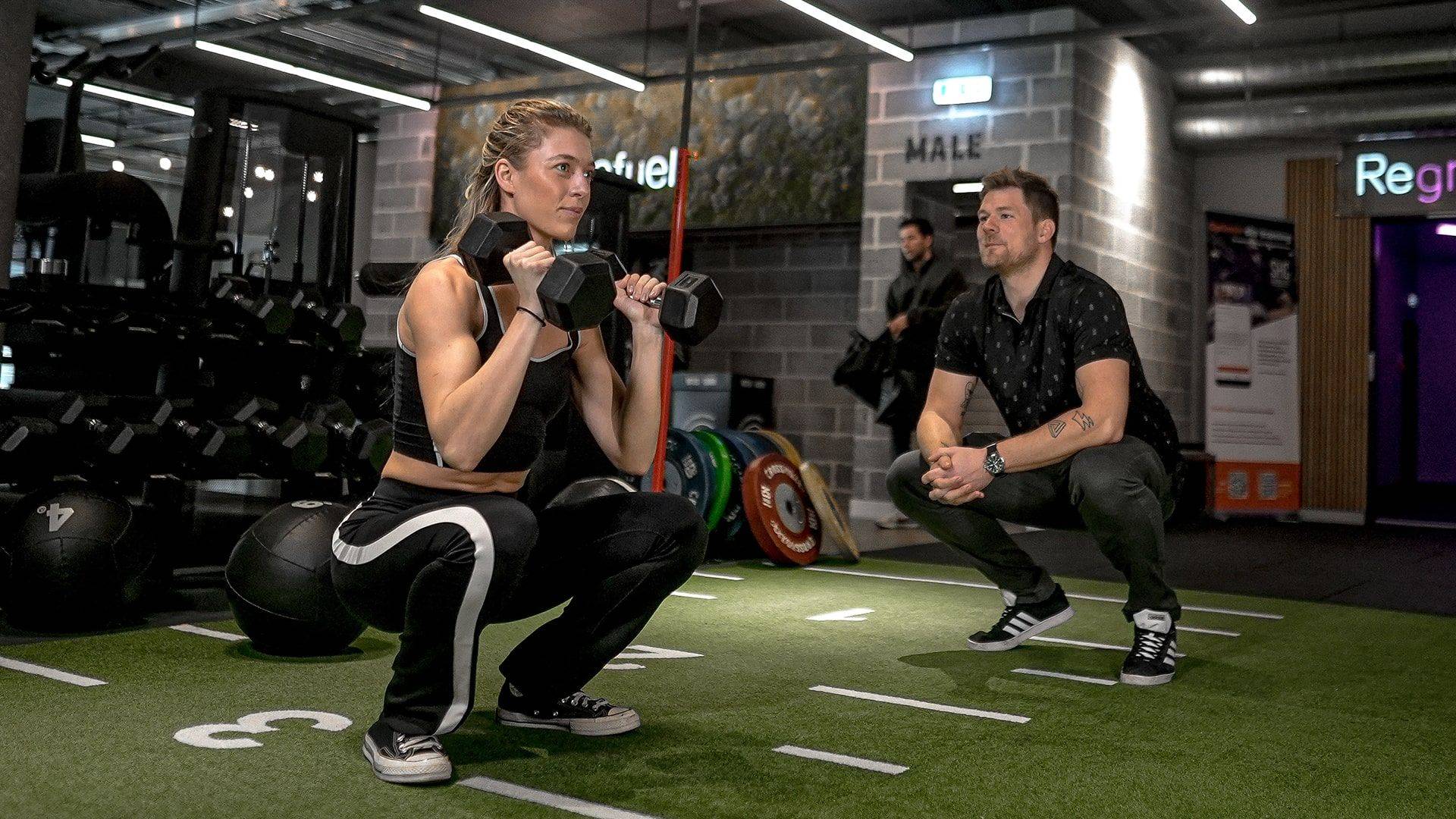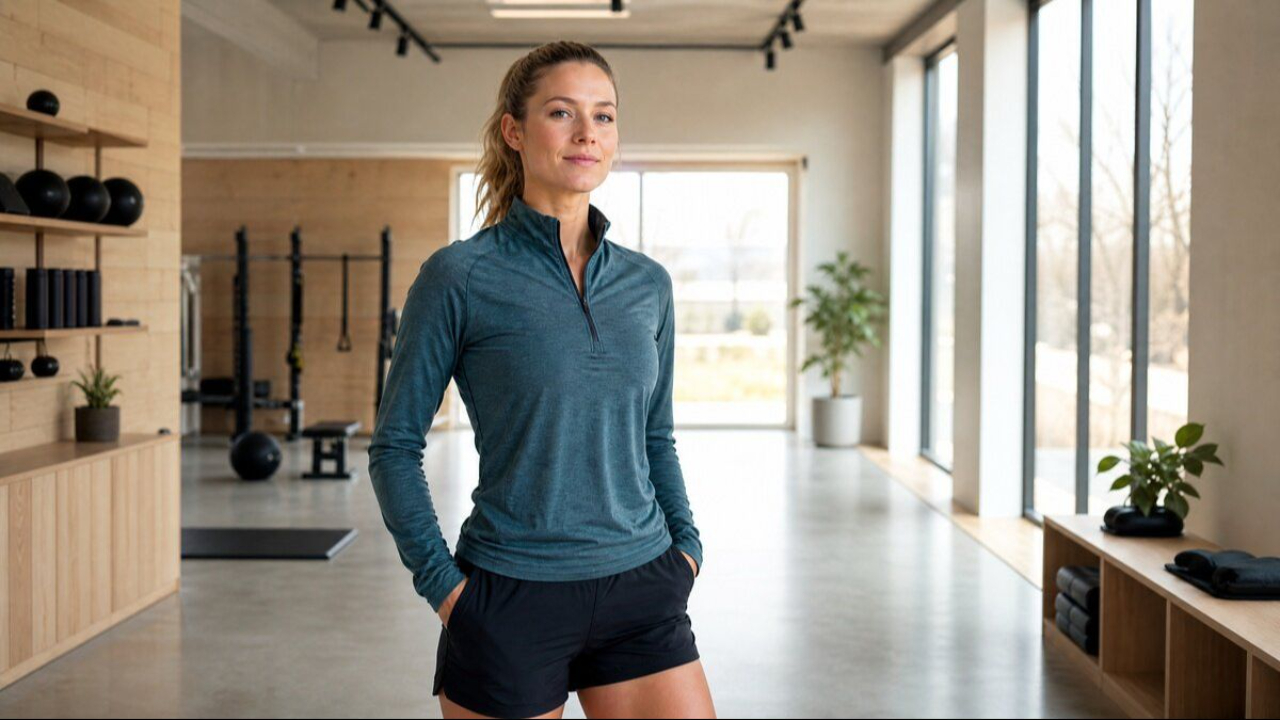
How to Become a Personal Trainer in Denmark: A Step-by-Step Guide
Turning your passion for training into a career is more achievable than most people think — but doing it properly takes more than being fit and enthusiastic. If you want to become a personal trainer in Denmark, whether you're a local or one of Copenhagen's many international residents, there's a clear path to follow.
The short version: there's no state licence you legally must have, but the qualification that actually matters is an internationally recognised EREPS Level 4 certification — plus the business skills to make a living from it. Get those two right, and you have a career that can last.
This guide walks you through it step by step: whether you need a licence, how the certification works, how to choose an education, and how to turn it into a sustainable career.
Do you need a licence or a degree?
No. In Denmark, "personal trainer" is not a protected title — anyone can call themselves one, with or without training. There's no mandatory state licence to start working with healthy clients.
But that's exactly why the quality of your education matters so much. In a market where anyone can hang up a shingle, what sets you apart is a recognised qualification and real professional depth. The meaningful standard is EREPS Level 4 (more on that below). Note one boundary: while you can advise healthy clients on general nutrition and training, treating disease through diet or exercise is the domain of authorised professionals such as a clinical dietitian or doctor.
Step 1: Understand the EREPS Level 4 standard
EREPS (the European Register of Exercise Professionals) is the European register of exercise professionals, run by the industry body EuropeActive. "Level 4" refers to level 4 of the EQF (European Qualifications Framework) — the level required to work independently as a personal trainer.
Why it matters: an EREPS Level 4 certification is recognised across Europe and, through international agreements, can transfer beyond it too. It's the difference between a qualification that travels and an internal course certificate that stops at the door. Learn more on PTinstitute's EREPS / EuropeActive certification page.
Step 2: Choose the right education
This is the decision that shapes everything. A serious personal trainer education rests on three pillars — and cheap or online-only courses often miss at least one:
- The professional core — anatomy, physiology and training theory.
- EREPS Level 4 certification — the internationally recognised standard.
- Business understanding — sales, marketing and client retention, because around 80% of new personal trainers leave the industry within a year, almost always for business reasons rather than a lack of fitness knowledge.
Check the teaching hours, too. EuropeActive's minimum is roughly 112 hours; PTinstitute's English education runs to 140 hours — above the minimum, with a focus on physical, hands-on teaching. You can browse the full syllabus and, if you're weighing your options in the capital, read our dedicated guide to a personal trainer course in Copenhagen.
Step 3: Get certified and registered
Once you complete an EREPS-accredited education, you become EREPS Level 4 certified through EuropeActive and are entered into the EREPS register — where employers and centres can look you up on ereps.eu. At PTinstitute, your first year of EREPS registration is included.
This registration is what makes your qualification portable. Planning to work abroad later? Keep it active — it's the foundation for international recognition.
Step 4: Decide — employed or self-employed?
With your certification in hand, you face a career choice that shapes your income and lifestyle:
- Employed in a fitness centre: stable pay, less admin, but a lower income ceiling — the centre takes a share of what the client pays.
- Self-employed: you keep the full session price and set your own ceiling, but you cover your own costs (rent, insurance, marketing) and carry the risk.
Many trainers start employed to build experience and a client base, then go self-employed later. Both are valid — it depends on where you are in life and how much risk you want to take on.
Step 5: Build a business that lasts
Here's the part that decides whether you're still training clients in two years: the business side. Skilled trainers who never learn to attract and keep clients are the ones who drop out.
The essentials:
- Choose a niche so you become the obvious choice for a specific group.
- Market consistently — a simple, regular routine beats sporadic bursts.
- Sell packages, not single sessions — better results for clients, steadier income for you.
- Retain clients through real results and follow-up; referrals are your cheapest channel.
This is exactly why a good education treats business as a core subject, not an afterthought — it's what gets you into the 20% who build a lasting career.
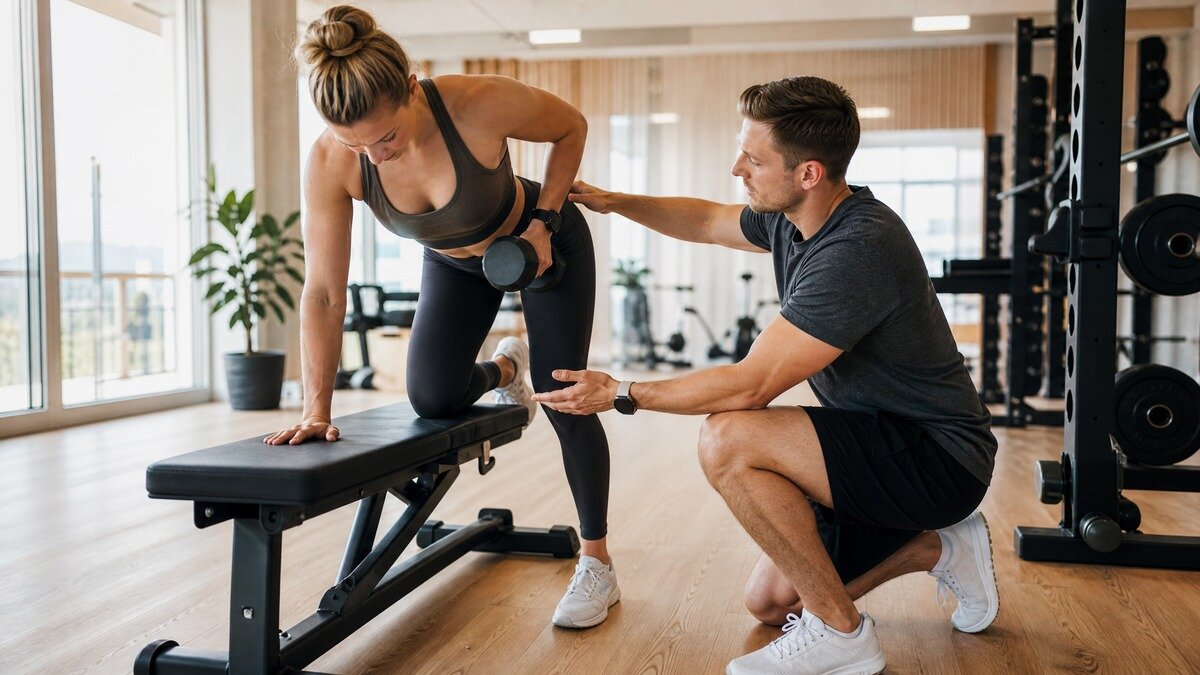
What does a personal trainer earn in Denmark?
Income varies widely by model and experience. Employed trainers typically start around an hourly wage, while established self-employed trainers keep a full session price — with the earning ceiling set by how well they fill their calendar. The realistic path to a good income runs through business skill as much as training skill.
FAQ
Do I need a licence to become a personal trainer in Denmark?
No. "Personal trainer" is not a protected title in Denmark, so there's no mandatory state licence to work with healthy clients. However, an internationally recognised EREPS Level 4 certification is the standard that gives you professional credibility and lets you work across Europe. Treating disease through diet or exercise remains the domain of authorised professionals.
How long does it take to become a personal trainer in Denmark?
It depends on the education. PTinstitute's English programme is a 140-hour education across 8 modules, combining theory, hands-on training and mentoring, and can be taken alongside other commitments depending on the schedule. The key is choosing an EREPS Level 4-certified course rather than the shortest one.
Do I need prior experience or a specific background?
No. There are no formal entry requirements. A good personal trainer education suits both complete beginners and people who already train and want to turn it into a profession. What matters is your commitment to learning both the professional and the business side.
Can I become a personal trainer in Denmark as an English speaker?
Yes. PTinstitute caters to English-speaking students, with English course information and a free intro evening in English. Because the certification is EREPS Level 4, it's internationally recognised, so it works whether you stay in Denmark or move on. Confirm the language of your specific cohort with the institute.
Is it possible to make a living as a personal trainer in Denmark?
Yes — but it takes more than training skill. Around 80% of new trainers leave within a year, almost always because they never mastered the business side. Those who succeed treat their work as a business from day one: they market consistently, retain clients, and often build several income streams.
Becoming a personal trainer in Denmark comes down to a few clear steps: understand the EREPS Level 4 standard, choose an education that's professional and business-oriented, get certified and registered, and build a sustainable practice. Do that, and you have a career you can actually live off.
Ready to start? See PTinstitute's personal trainer education, price and next start, or come to a free intro evening in English.
Don't miss a beat!
New moves, motivation, and classes delivered to your inbox.
We hate SPAM. We will never sell your information, for any reason.